Okaloosa S.C.I.E.N.C.E. - A Place-Based STEM Initiative
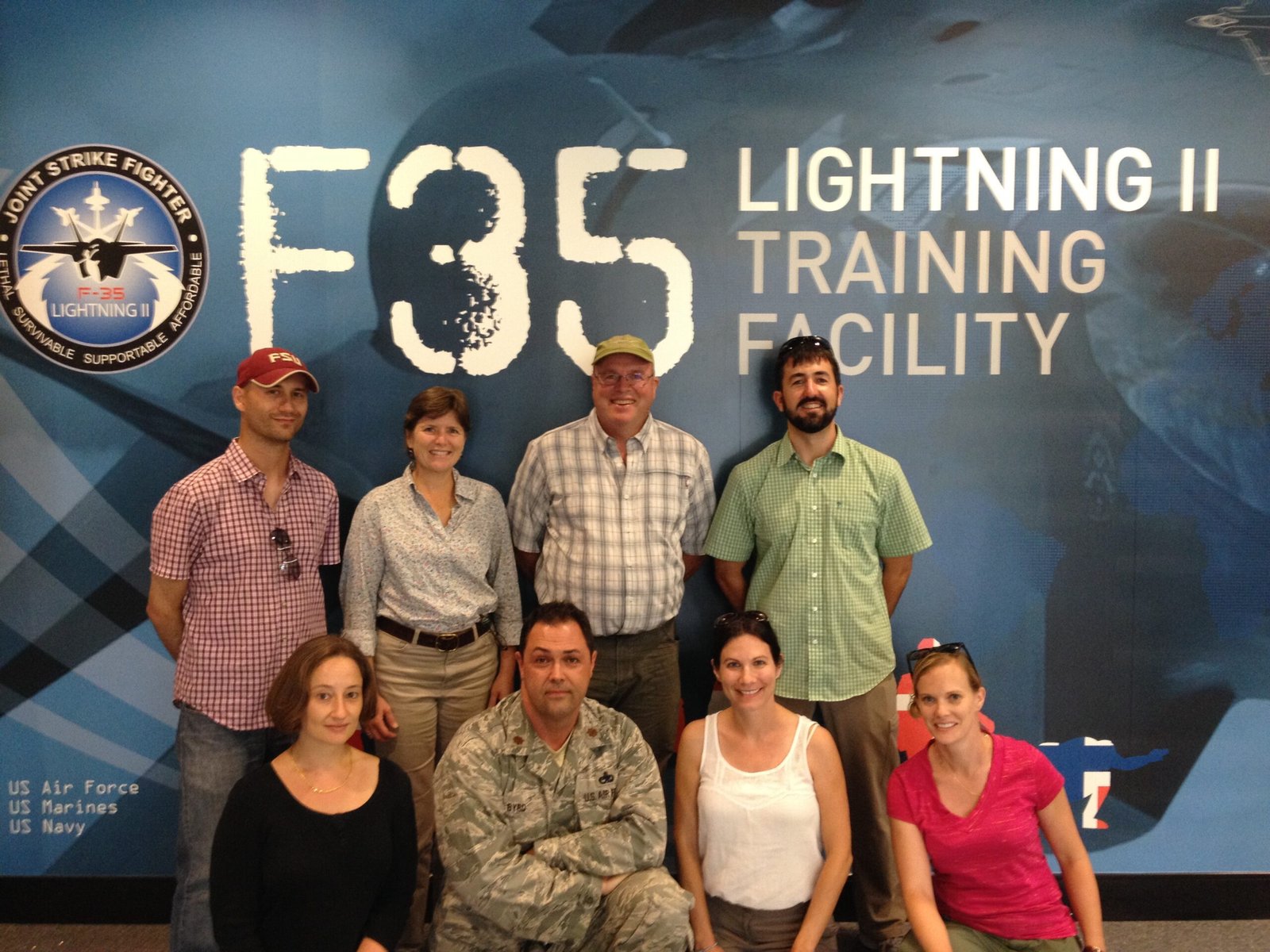
Okaloosa S.C.I.E.N.C.E. was an innovative place-based STEM initiative funded by a $2.5 million grant from the Department of Defense Education Activity (DODEA). Conceptualized and led by 7-Dippity, the initiative consisted of a collaboration of nationally and internationally recognized organizations, including the Smithsonian Institution, U.S. Department of Defense, National Park Service, Encyclopedia of Life Learning + Education group at Harvard University, Florida Department of Environmental Protection, E.O. Wilson Biophilia Center, Officer Snook Water Pollution Program, and Skytruth. Additionally, over 55 local agencies, organizations and companies, along with over 800 volunteers, contributed to the initiative. Twenty-three schools in Okaloosa County (FL) participated in the project.
The initiative sought to enhance military students’ interest and performance in STEM-related subject areas while preparing them for the 21st Century workforce. The knowledge and technical skills gained by the students during the course of the project opened pathways to success in STEM-related studies and careers while also providing critical tools to help them succeed in any other career path.
To accomplish the goals, the initiative:
- Enhanced the capacity of educators to engage students in STEM education through professional development, technical assistance and cutting-edge tools and resources.
- Developed a network of community partners who provided a continuum of place-based educational opportunities.
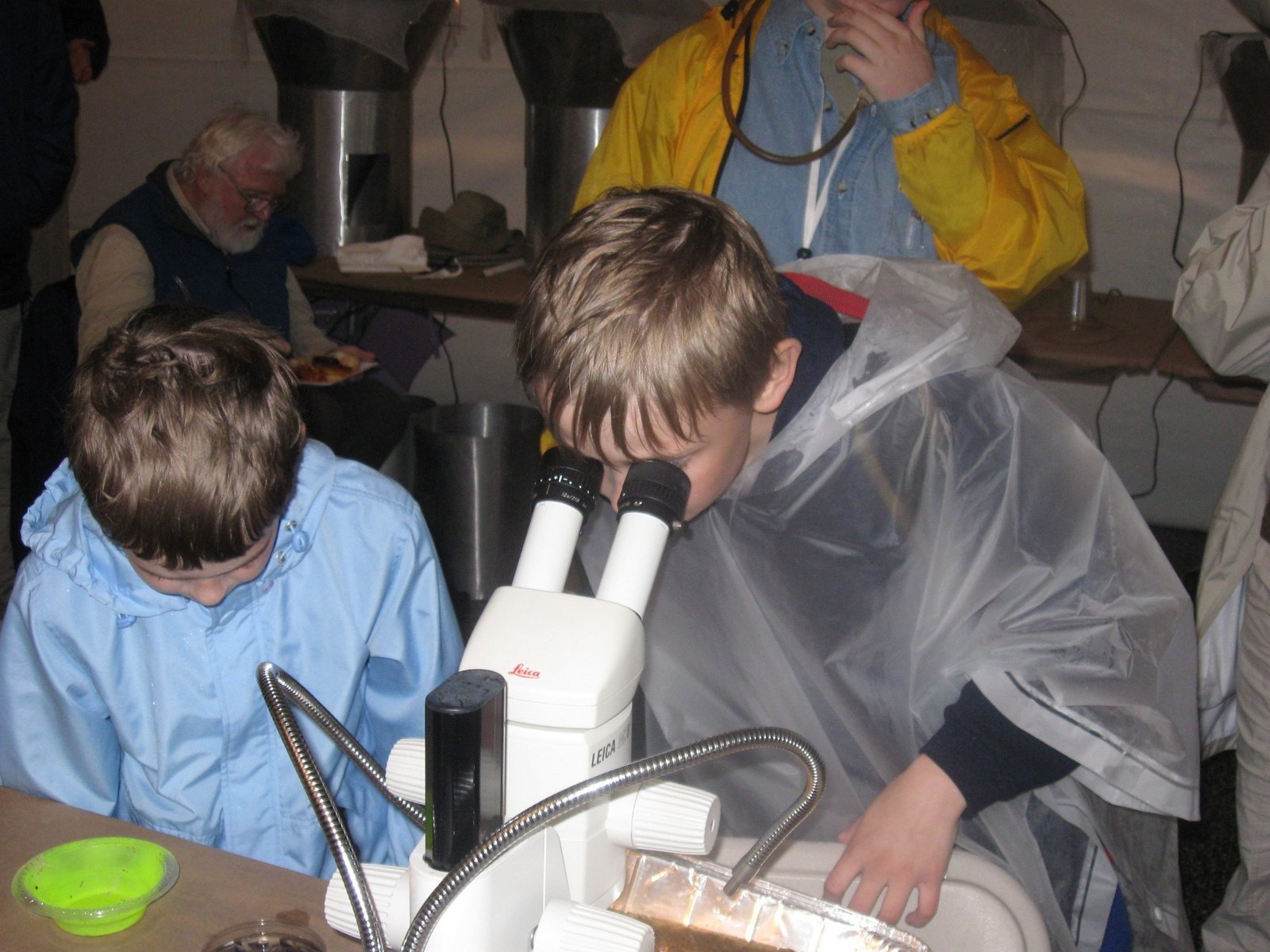
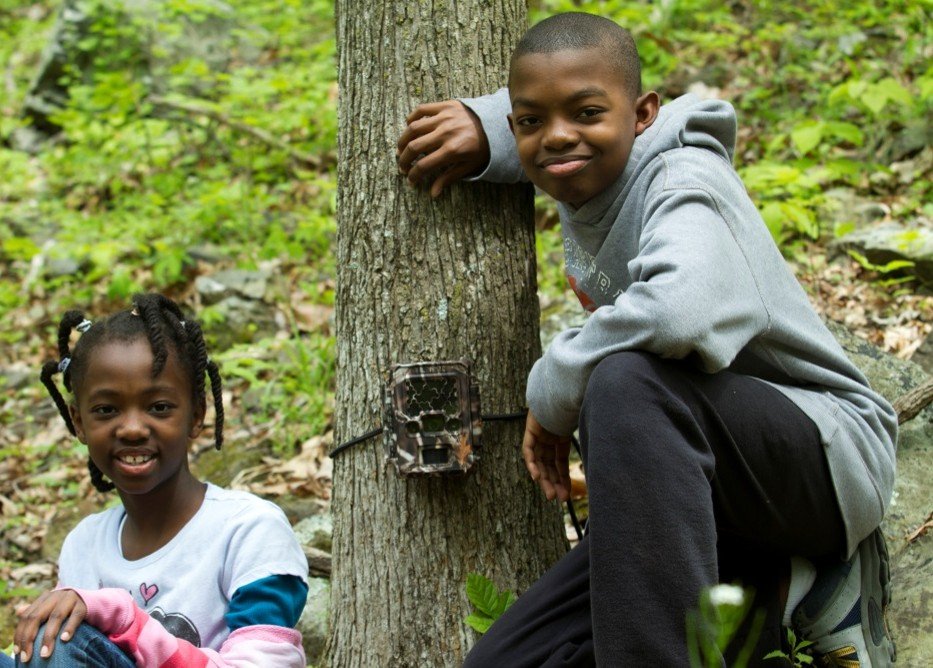
- Involved students in exciting, experiential hands-on lab and field experiences.
- Provided service-learning opportunities for students to apply their knowledge and skills in support of their local community.
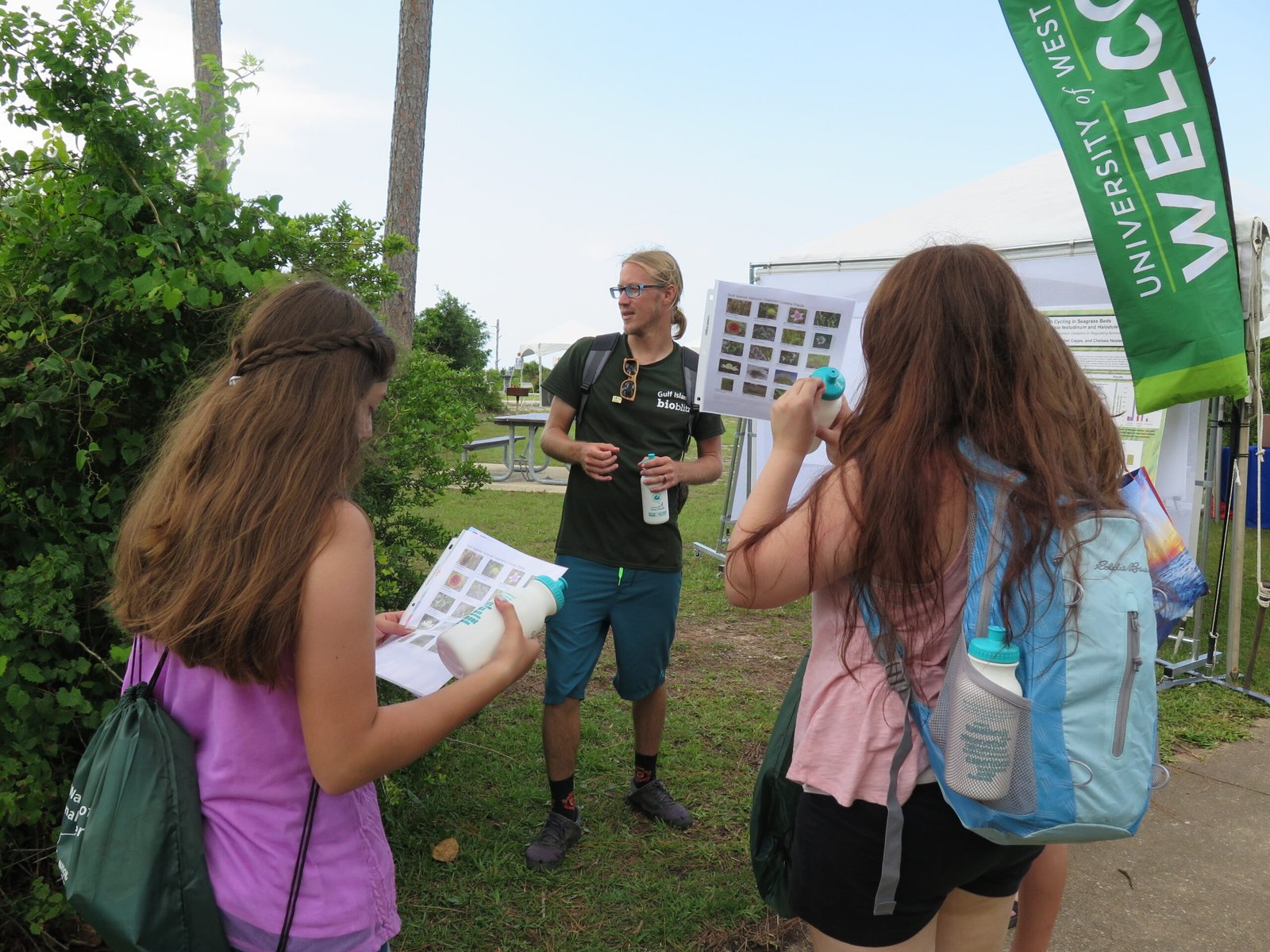
Through the initiative, students gained a real-world understanding of concepts taught in the classroom and an appreciation for how those topics affected them, their families and communities in real life. Experiential-based activities took students from the classroom into the surrounding environment, where they learned first-hand about local ecosystems and biodiversity, how human impacts are affecting those systems and biodiversity, and participated in meaningful service-learning projects that helped monitor and conserve those ecosystems. Yearly studies culminated with a bioblitz – a unique environmental survey that allowed students and their families to conduct vital work alongside scientists and provide real and important contributions to science.